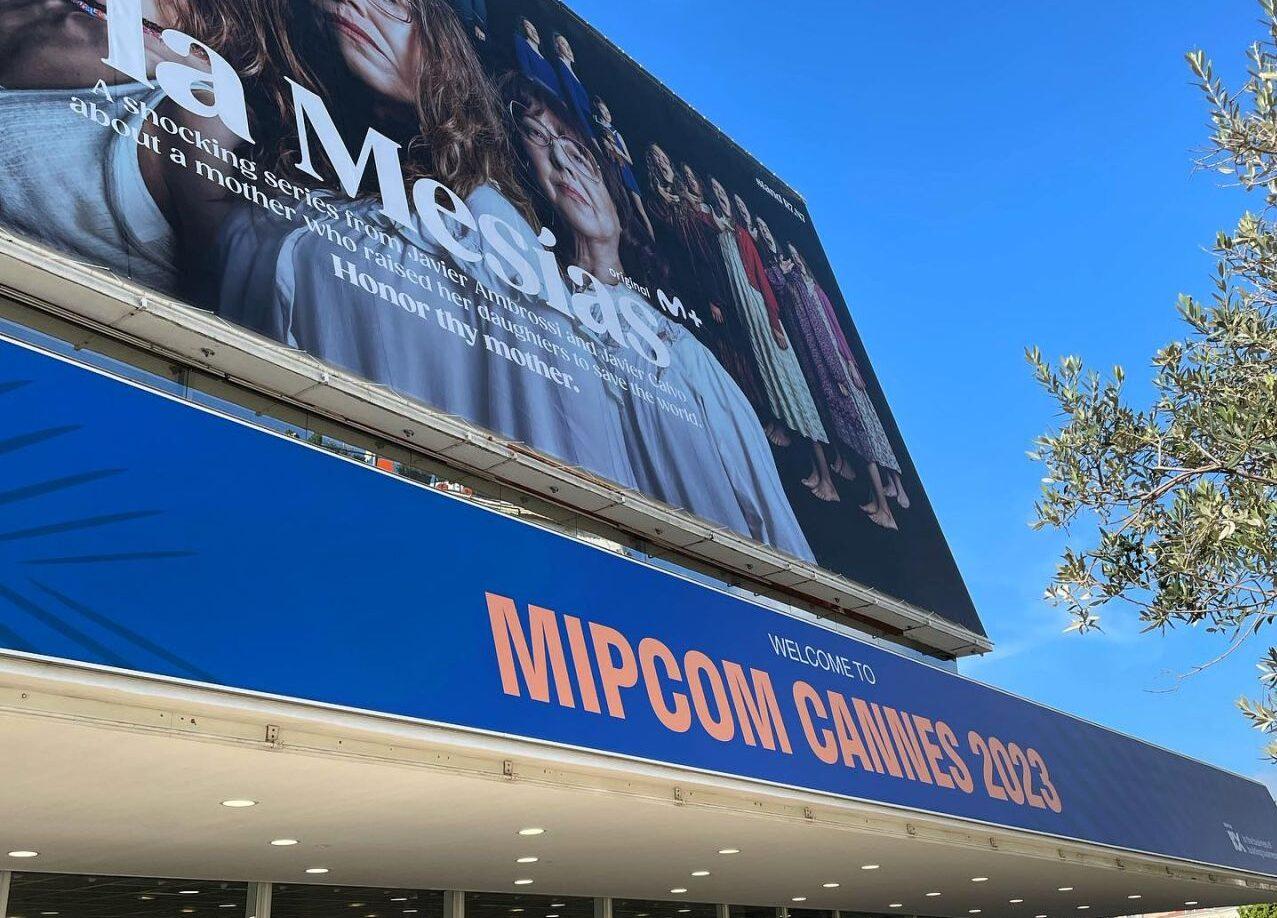
Every October, MIPCOM Cannes becomes the centre of the global content industry. Buyers, distributors, production companies and broadcasters descend on Cannes for four days of networking, deal-making and relationship building. For the teams exhibiting, success depends on one thing: making every meeting count. Across six media and entertainment organisations, gther Sync helped transform the way meetings were planned, managed and delivered at one of the industry's busiest events.

Meeting spaces managed across six media & entertainment brands
Self-sufficient team members, empowered to manage more.
Meetings held across rooms, panels, tables, breakout spaces and brand activations


01 The brief
MIPCOM moves fast. Sales teams, executives and clients are constantly on the move. Meeting spaces are in high demand. Schedules change by the hour. New opportunities emerge at a moment's notice. Many teams were still relying on spreadsheets, email chains and manual coordination to manage hundreds of meetings across their exhibition spaces. The result was familiar; limited visibility of room availability, scheduling conflicts and double bookings, and time-consuming manual administration. As meeting volumes increased, traditional processes simply couldn't keep pace.
02 The Strategy
Using gther Sync, teams replaced disconnected planning tools with a single platform designed specifically for relationship-driven events. Sales and marketing teams could schedule and manage their own meetings in real time, while event organisers maintained complete visibility and control over resources, hospitality areas and meeting spaces. The platform became a shared operational hub for everyone involved, reducing administrative workload while creating a smoother experience for internal teams, partners and clients alike.
03 The results
By giving teams a live view of schedules, availability and bookings, Sync reduced friction across the entire event operation. Faster meeting scheduling and management made a significant difference to the event producers on the ground with greater visibility across teams and resources, and a reduced administrative burden for event organisers. Improved utilisation of meeting spaces and hospitality areas and real-time adaptability during a fast-moving live event revolutionized the event experience with better reporting and post-event analysis. Most importantly, teams spent less time managing spreadsheets and more time building relationships.


